
Start a Sweet Spot
Take coordinated action to create the conditions your bees need to thrive.

What is a Sweet Spot?
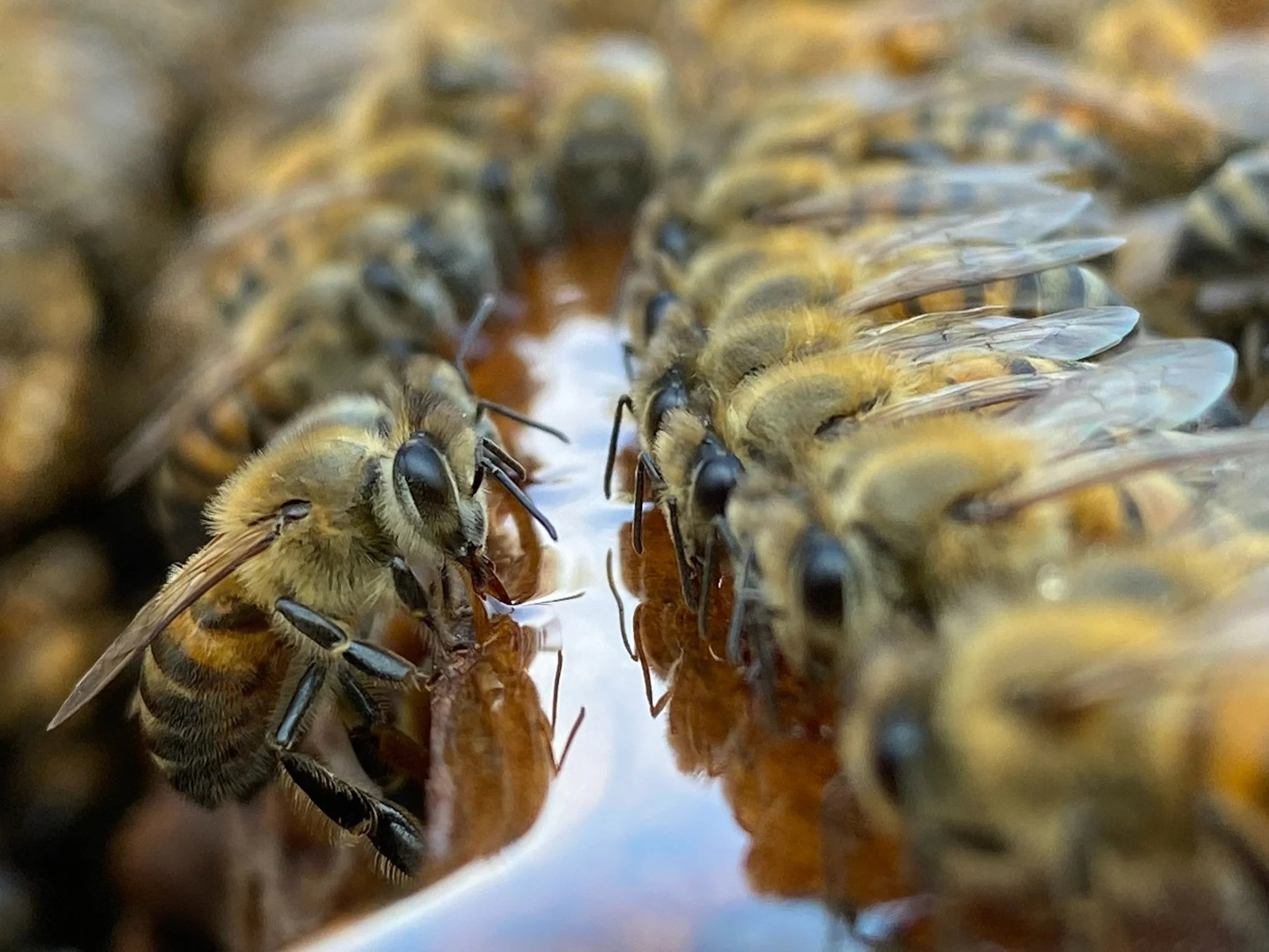
A Sweet Spot is a small slice of system —a specific, geographic area— where beekeepers pull together to make a coordinated bid for resilience: taking collective steps to decrease disease transmission, foster local adaptations, and reduce inputs dependence.
As individuals, may not hold much sway in our broader beekeeping system. We may not get to decide —at the national level— where bees are sourced, how they get managed, or where they get moved. If we work together with the people around us, however, we can make some of those calls locally.
How Sweet Spots build resilience
In the same way an individual worker bee can’t provision her whole hive with honey, a single Sweet Spot might not transform the system that surrounds it, at least not at first.
Sweet Spots start by improving conditions for bees at the local level. This, on its own, is a win. As more beekeepers band together to make change, new Sweet Spots emerge. And as these resilient hubs proliferate, industrial systems break into segments, eventually giving way to multiple, smaller systems.
Regional, resilient beekeeping systems.
Working together with beekeepers around the country, our goal is to establish 50 Sweet Spots in 5 years.
What do Sweet Spots look like?
No two Sweet Spots are the same, but some core elements include:
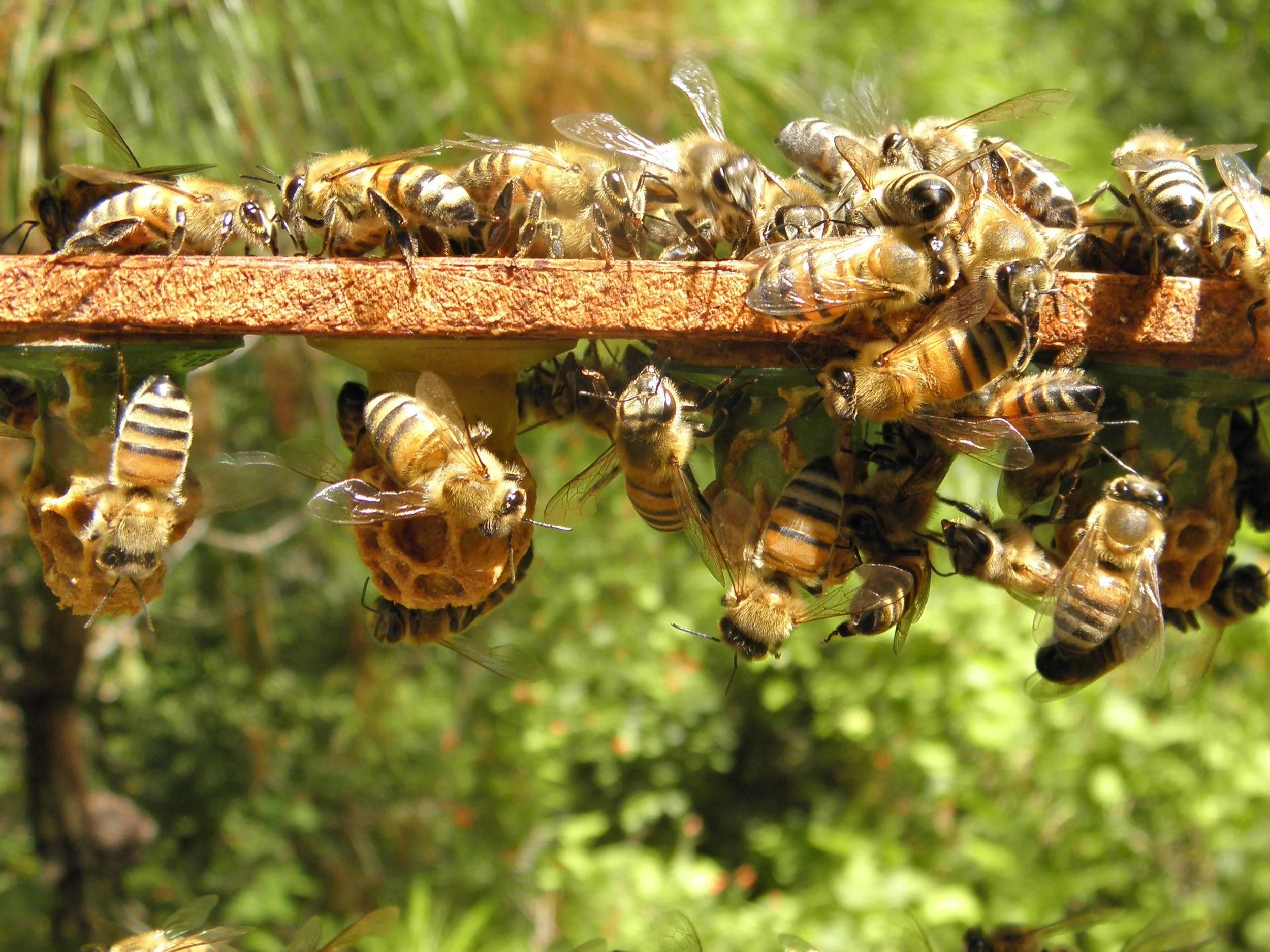
Whether it’s swarm rescue, collective queen selection, or tapping into regional queen-rearing networks, we help your group source your bees locally, so that you can decrease exposure to long-distance disease transmission and set the stage for local adaptation.
Locally sourced bees
Widely spaced colonies
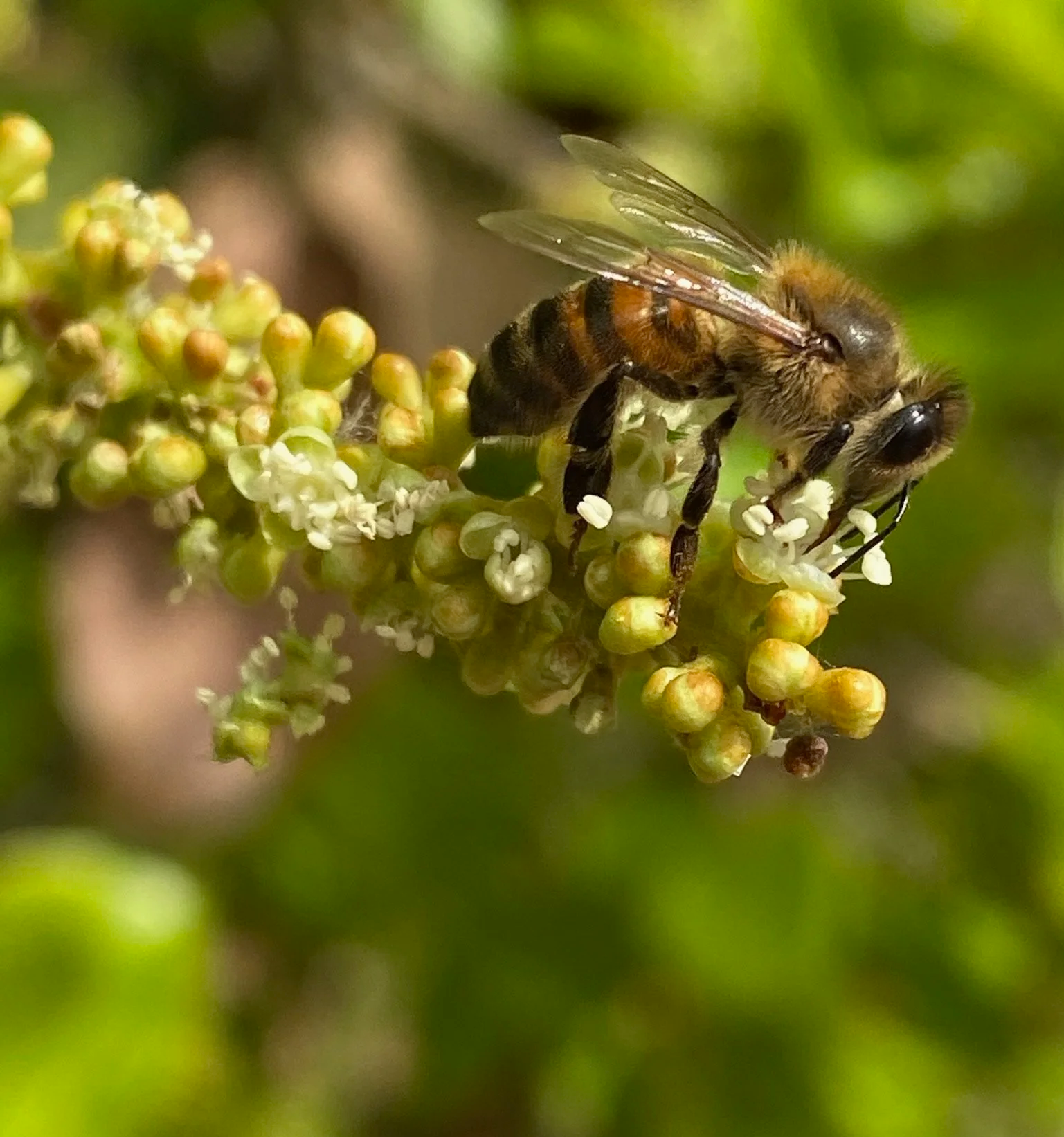
When we give our bees more space—both in the bee yard and out on the landscape—we decrease disease transmission and reduce resource competition. We help your group match your beekeeping goals with practices that support long-term bee health.
.jpg)
Coordinated mite strategy
Cultivating mite-resistance is a group project. We facilitate group decision-making, data collection, and follow-up so that your group can identify and implement methods that help mite resistance to emerge.
Individual beekeepers can definitely make progress in these areas on their own, but if we want to take resilience-building efforts to the next level, we’re going to have to take coordinated action.
That’s where we come in. At WeKeep, we coordinate.
“Rather than offering a single fixed method, [Maggie and Héctor] share a diverse and adaptive toolkit, tailored to the realities of different local conditions, climates, and landscapes..”
Michael Thiele
Founder and Executive Director, Apis Arborea
Our process
-
Our first step is to get the lay of the land. We work with your group to determine the number of managed and wild colonies in your area, and the extent to which these colonies are connected to the surrounding beekeeping system. We also collect information about current management practices and existing levels of mite resistance to get an idea of our starting point.
-
We work with you to get clear on your group’s goals and to discern which resilience-building practices are most likely to succeed in your area. Then, we facilitate group discussions to determine which actions to take across multiple priority areas (e.g., pests and pathogens, forage resources, colony sourcing).
-
We help your group create strategies to support implementation and data collection, setting up systems that allow your group to track your progress over time.
-
At the end of the beekeeping season, we meet to review the progress your group has made. We discuss what worked, what didn’t work, and what changes your group will make for next season.
50 Sweet Spots in 5 years
〰️
50 Sweet Spots in 5 years 〰️
Submit an inquiry form
If you're interested in working with us to start a Sweet Spot in your local area, complete this inquiry form. Tell us more about your group, and we’ll reach out to discuss options.