
It’s time to take
collective action
to build resilience for our bees.
Honey bees are struggling, and it’s up to us to help.
Our bees don’t need stopgap solutions. They need systems change.
That might seem like a tall order, but we built the systems that we’re in.
Together, we can transform them.
Keeping bees alive these days is no easy feat
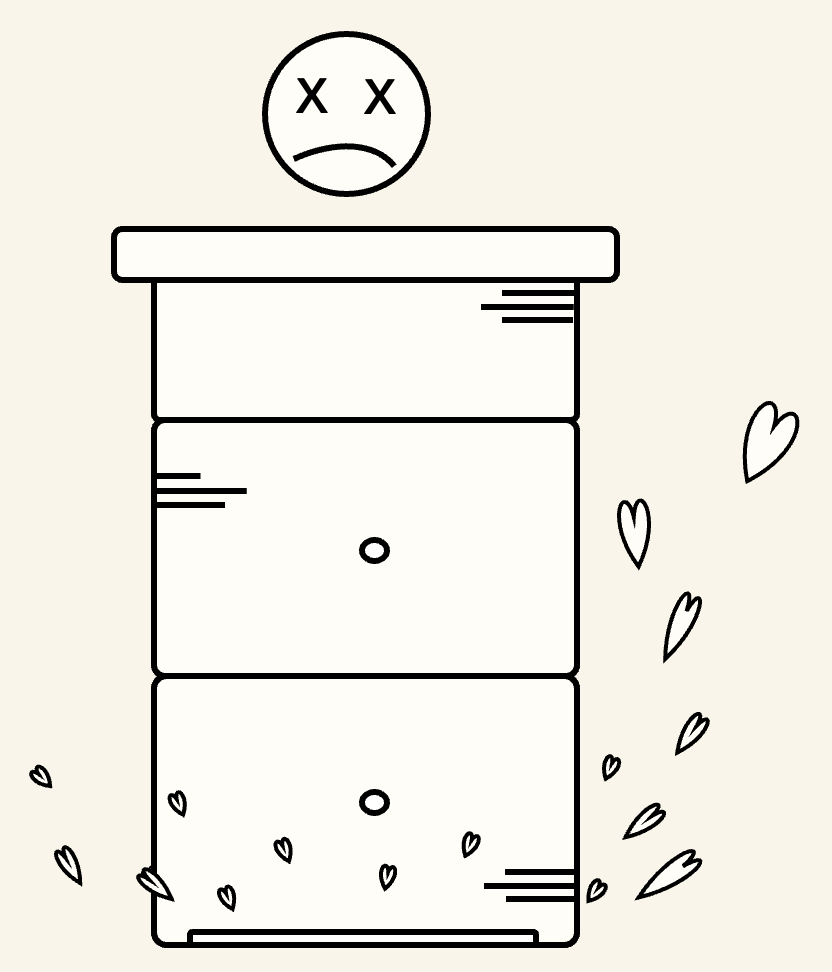
In recent years, colony loss has reached new levels of alarming, and the reality even beekeepers’ best efforts aren’t always
That’s because honey bee health isn’t just shaped by our individual beekeeping practices. Our bees are also impacted by the systems that surround us: the ecosystems we inhabit, and the beekeeping systems we belong to.
The Beekeeping Systems Framework
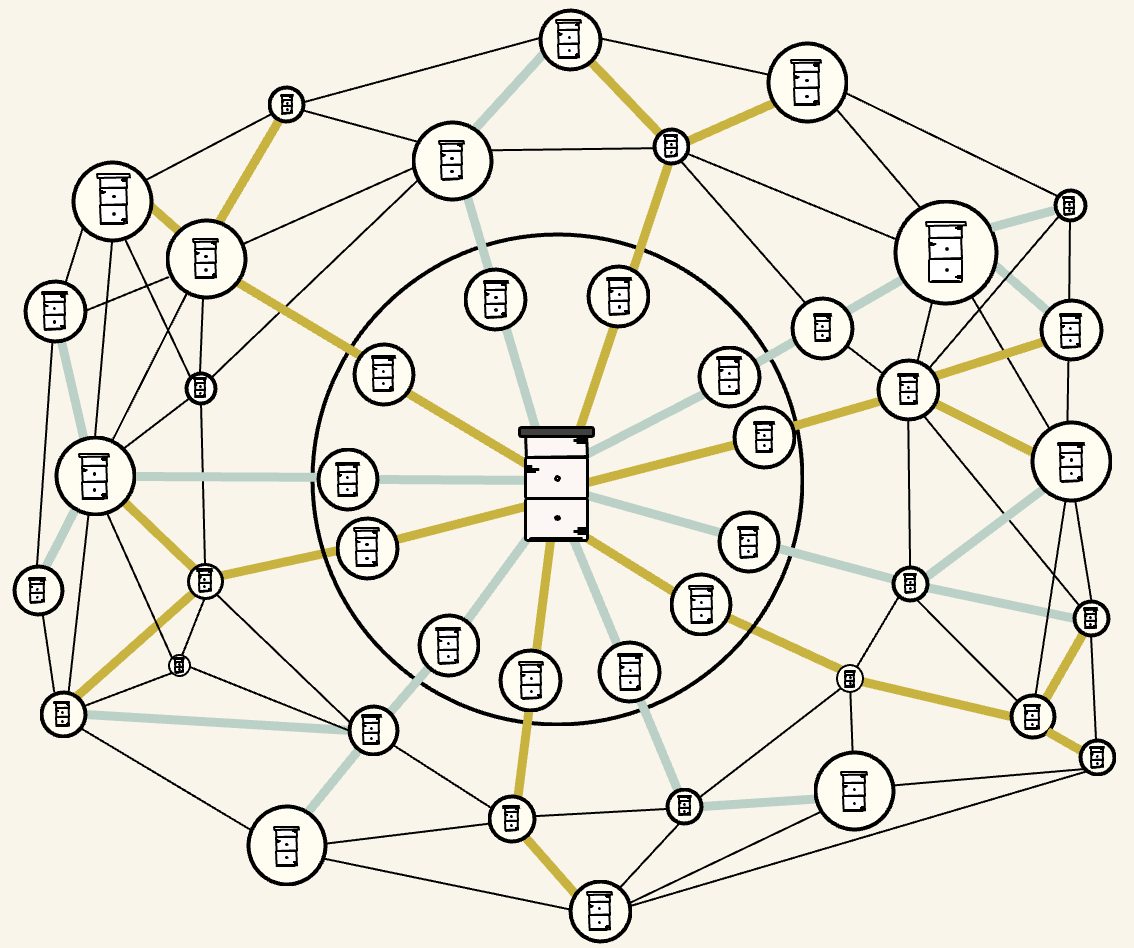
A beekeeping system consists of an extended network of honey bees and beekeepers who are connected to —and impact— each other.
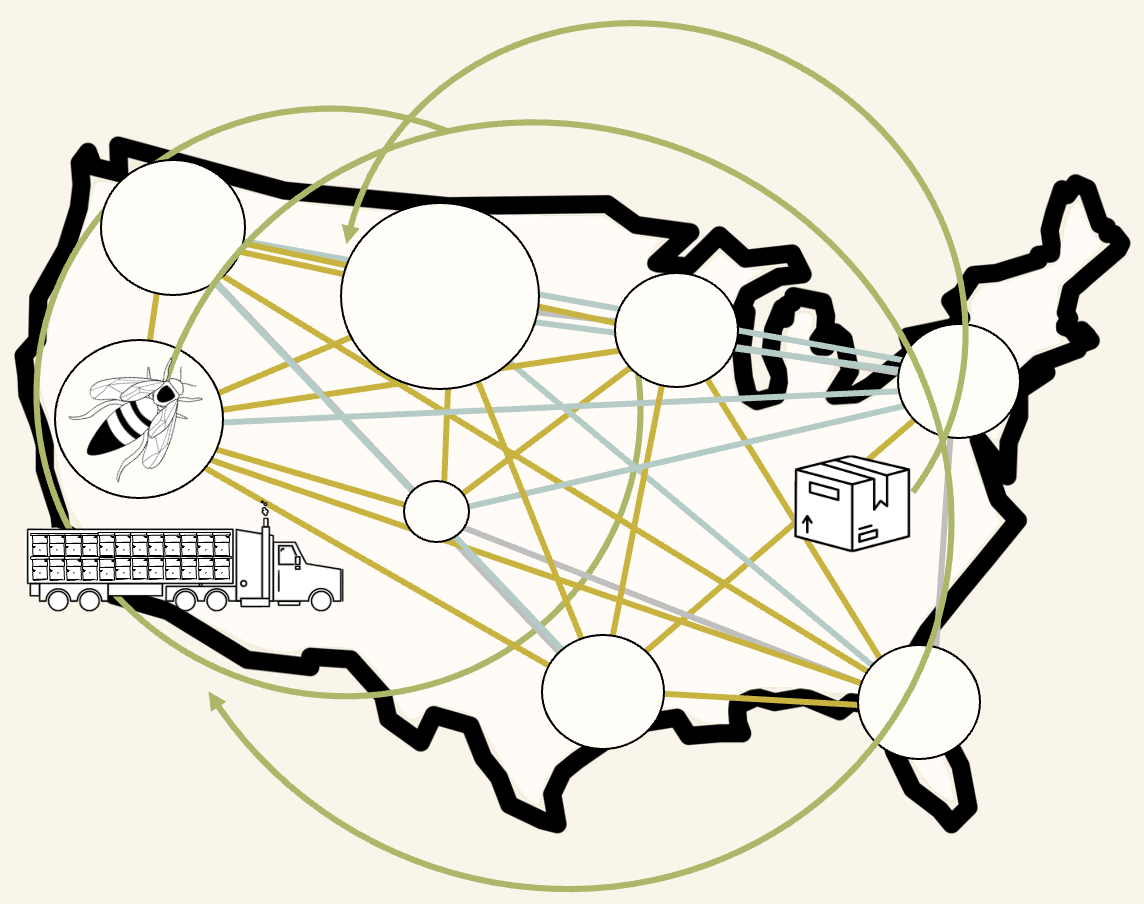
Honey bees are a true free-range species. They forage out on the landscape. They mate in open air. Because our bees make contact with the colonies that surround them, the management that one colony receives, the pathogens it contracts, and the genes it passes on can impact outcomes for other colonies, even across great distances.
Building resilience
In small-scale systems, colony-colony contact occurs mostly at the local level. But when beekeeping systems industrialize, genes and germs don’t just move from colony to colony; they’re transported from coast to coast, and honey bees catch cooties from colonies they’ve never even met.
In the honey bee world, we are —quite literally— our neighbors’ keepers. As a result, if beekeepers want to move the needle on honey bee health, we’re going to have to work to build both resilient beekeeping practices, and resilient beekeeping systems.
At WeKeep, we help individuals and groups take action to limit disease transmission, decrease inputs dependence, and foster local adaptations so that resilience can take root.
Our approach
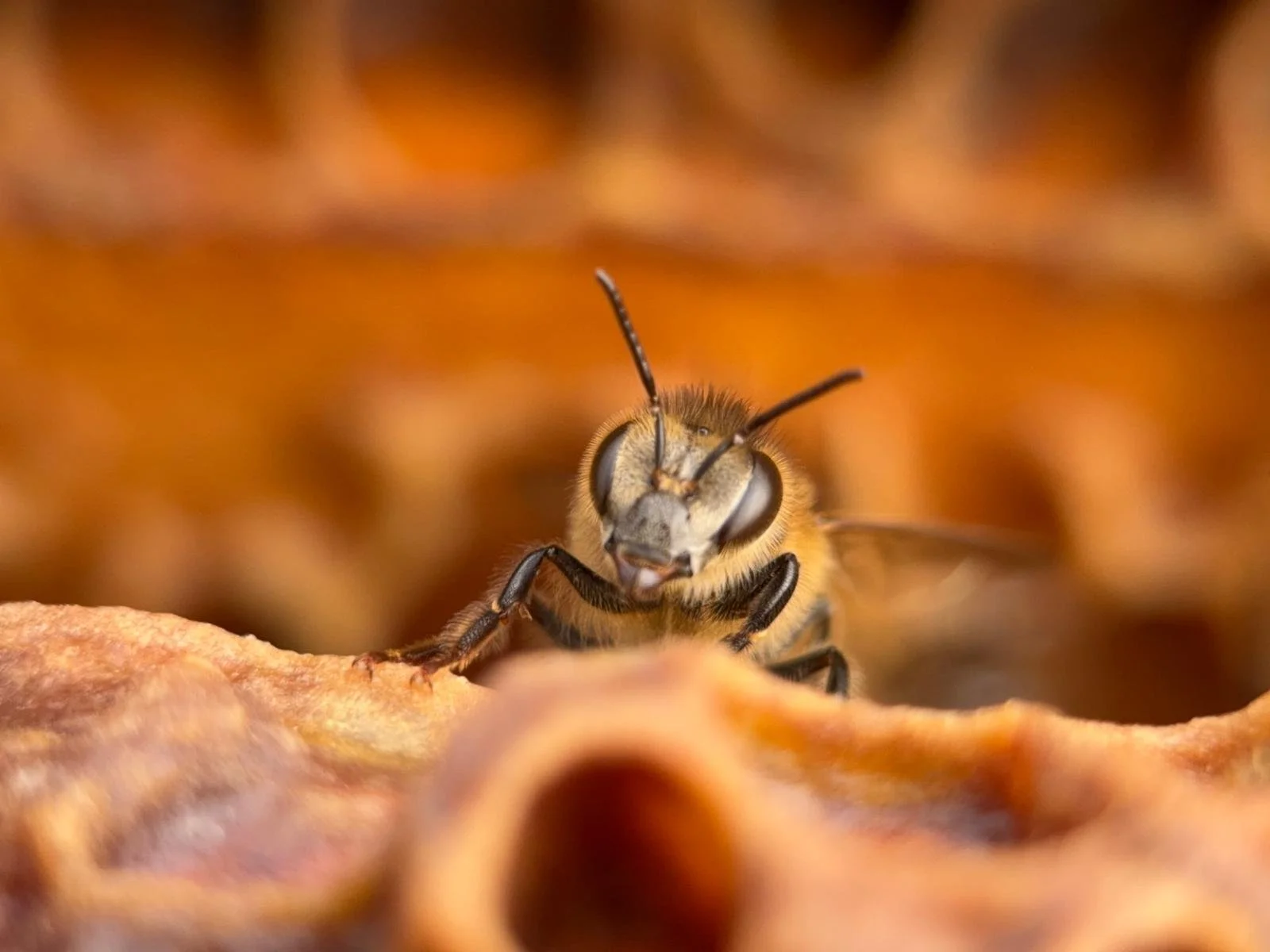
We teach beekeepers system-savvy beekeeping.
Systems-savvy beekeeping is about using systems thinking to identify beekeeping practices that fit your context, help your bees, AND contribute to long-term, collective resilience.
If you’re an individual beekeeper, our signature course is where you start.
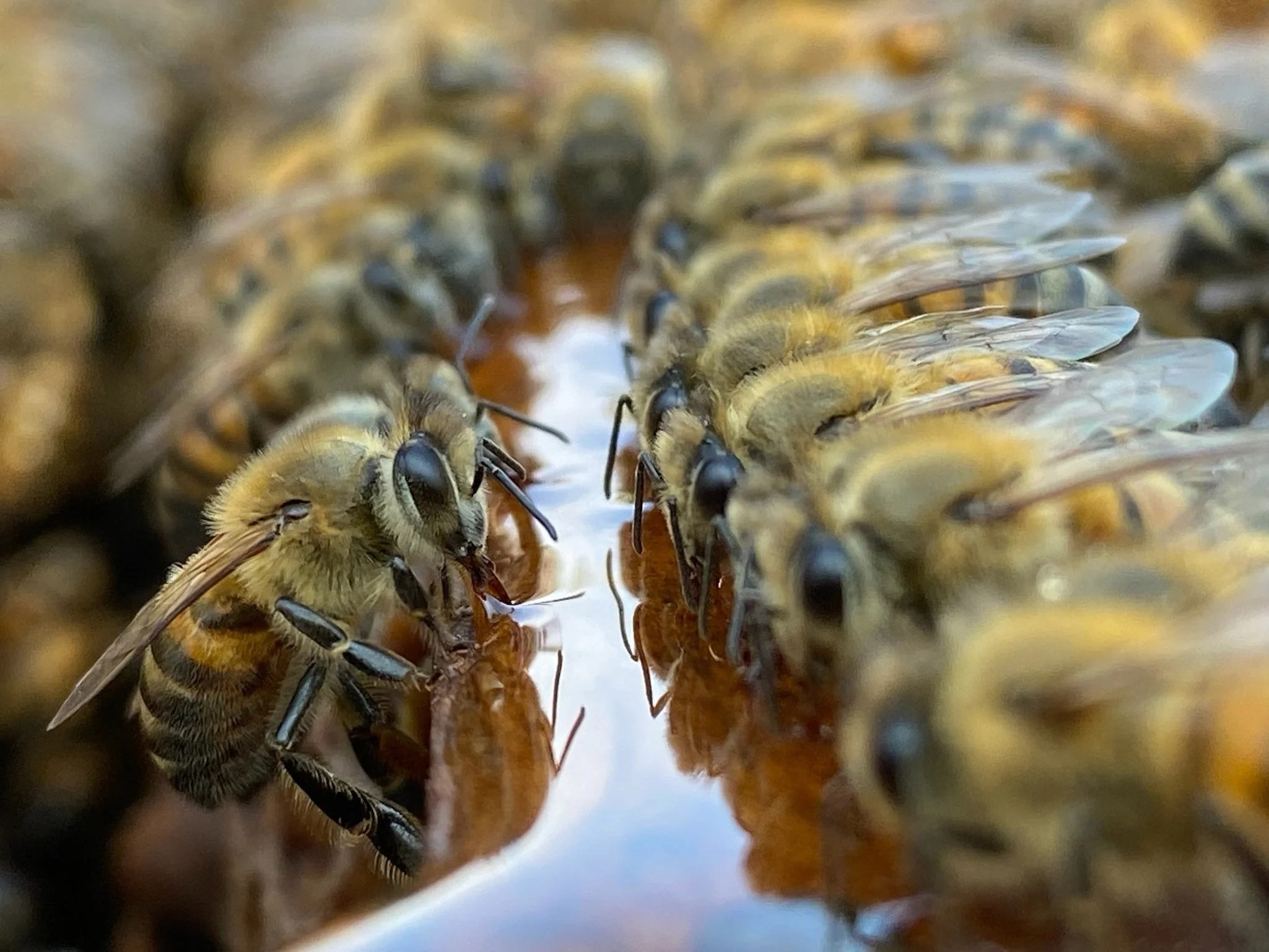
We help beekeeping groups start Sweet Spots.
Sweet Spots are regional hubs where groups of beekeepers work collectively to create the conditions their bees need to thrive.
If your group is ready to take collective action, this container is for you.

Who’s “we?”
Hi there! We’re Héctor and Maggie. Beekeepers, researchers, and WeKeep co-founders.
Our beekeeping experience spans four continents, but we do most of our work in the U.S. and Mexico. In one system, we see bees struggle. In the other, we watch them thrive.
We’ve studied the factors that set some systems up for survival and steer others towards collapse. Here is what we know.
No honey bee colony is an island. In beekeeping, we sink or swim together. So, if we want to make change, we’re going to have to coordinate. Even the solutions we implement on our own must account for the collective. Coordinated action is how we make real change.
We’re part of the “we.” We hope you will be, too. Join us. Because it’s only by working together that we keep our bees well.
Our services
Free online resources
Learn about the impacts of industrial agriculture on honey bee health, the power of beekeeper knowledge networks, and beekeeper-led strategies to seed systems change.
Courses and Containers
Our Resilient Beekeeping Systems trainings are available both to individual beekeepers and to beekeeping groups. Click the link below to learn more about WeKeep workshops.
Consults and invited talks
Schedule a one-on-one consult or contact us to set up an invited talk with your local beekeeping group.